The 2025 NBA Gambling Scandal: What Happened and Why It Matters to Bettors
 Available in US

How a Federal Crackdown Put NBA Integrity in the Spotlight
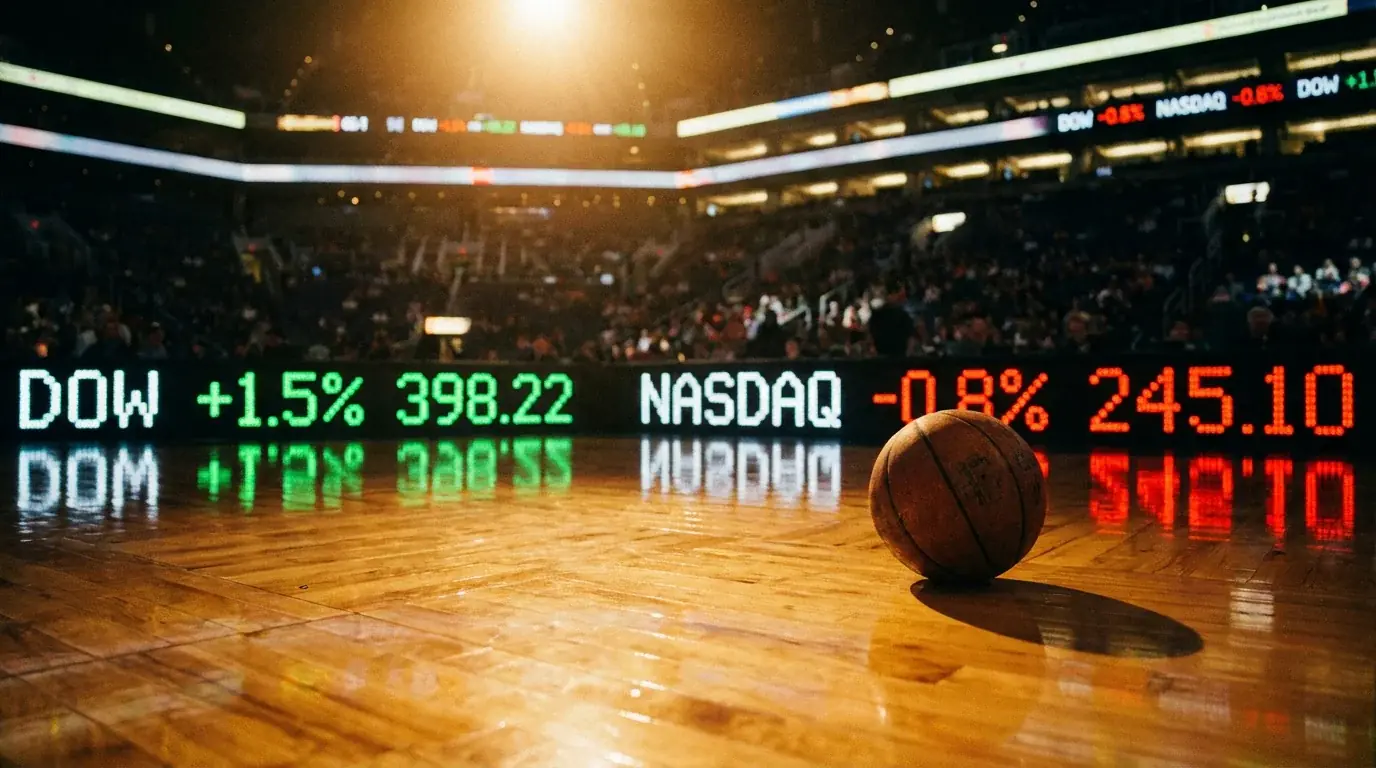
When the FBI arrests 34 people in connection with a gambling ring that touches professional basketball, it stops being a back-page story. The 2025 NBA gambling scandal forced every serious bettor — myself included — to reckon with a question we’d prefer to ignore: what happens to the integrity of your wager when the people playing the game have their own money riding on the outcome?
The scale of legal sports betting in the United States provides the backdrop. Since the Supreme Court struck down PASPA in 2018, more than $600 billion has been processed through legal US sportsbooks. That torrent of money created an environment where the incentives for corruption grew alongside the infrastructure meant to prevent it. The 2025 scandal was, in many ways, an inevitable collision between explosive market growth and insufficient player education about the boundaries of participation.
For UK punters, the scandal matters not because it directly compromised the games you bet on — there’s no evidence of that — but because it revealed structural vulnerabilities in the relationship between professional athletes and the gambling ecosystem that surrounds them. Understanding what happened helps you assess the integrity of the product you’re wagering on.
The FBI Operation: 34 Arrests and the Charges
The federal investigation, announced in early 2025, resulted in 34 arrests across multiple states. Christopher Raia, Assistant Director in Charge of the FBI’s New York Field Office, described the operation as having uncovered an illegal gambling ring that defrauded victims of tens of millions of dollars and served as a financial pipeline for La Cosa Nostra to fund organised criminal activity.
The charges ranged from illegal gambling and racketeering to wire fraud and money laundering. The operation wasn’t focused exclusively on the NBA — it swept across several sports and involved bookmaking operations that accepted bets outside the legal framework. But the NBA connections drew the most public attention because they involved individuals with direct ties to professional basketball.
What distinguished this case from previous sports gambling scandals was the organised-crime component. This wasn’t a rogue individual placing bets through a friend’s account. It was a structured operation with roles, hierarchy, and revenue sharing — the kind of enterprise that can operate for years before detection precisely because it has the resources to insulate itself from casual scrutiny.
The arrests also triggered a broader congressional response. Senators and representatives from both parties called hearings to examine the relationship between legal sports betting and the integrity of professional sport, with the NBA’s governance structure coming under particular scrutiny. The political dimension matters for bettors because it signals potential regulatory changes that could affect market access and operator obligations in the years ahead.
Terry Rozier, Chauncey Billups, and Player Accountability
The names that dominated headlines were Terry Rozier — an active NBA player at the time of the allegations — and Chauncey Billups, a former player and head coach. Their involvement, while distinct in nature and severity from the organised-crime charges, underscored a persistent problem: professional basketball figures who either fail to understand the boundaries around gambling or choose to ignore them.
Rozier faced allegations related to prop bets — specifically, bets placed on his own statistical performance. The implications for bettors are unsettling. If a player knows that a bet has been placed on whether he’ll score over or under a certain number of points, his on-court decisions become compromised regardless of whether he actively manipulates his performance. Even the appearance of conflict corrodes trust in the market.
Billups’ involvement centred on his connections to individuals within the gambling operation. As a coach, his access to lineup information, game-planning decisions, and injury knowledge gave him proximity to market-moving intelligence that should never intersect with wagering activity.
The NBA responded with enhanced compliance protocols, including mandatory gambling education programmes and stricter monitoring of players’ financial relationships. Whether these measures go far enough is debatable — the FBI’s memo on sports gambling, originally produced in 2006 and recirculated in 2025, warned that criminal organisations never consider involvement with an athlete a one-time arrangement. The structural incentive for recruitment persists as long as the betting market continues to grow.
How the Scandal Affected NBA Betting Lines
In the immediate aftermath of the arrests, I expected to see significant market disruption — wider spreads, lower limits, bookmakers pulling markets on specific games. That didn’t happen. The NBA betting market absorbed the news with remarkable stability, which tells you something about how the industry assesses integrity risk.
Regional data from Sportradar showed that North and Central America recorded 84 suspicious matches in 2025 — nearly double the figure from the previous year. It’s impossible to say how much of that increase was directly connected to the scandal versus improved detection in the wake of heightened scrutiny, but the correlation is notable. More eyes on the market means more anomalies detected, whether or not those anomalies represent genuine corruption.
For UK bookmakers specifically, the scandal had minimal operational impact. UKGC-licensed operators were not directly implicated, and the integrity monitoring framework that covers UK-facing markets continued to function as designed. The games available for betting — and the odds offered — remained consistent throughout the period of arrests and hearings.
Where I did notice an effect was in player prop markets. Bookmakers tightened limits on certain prop bets during the weeks following the Rozier allegations, particularly on less liquid markets involving individual player performance. If you’re a prop bettor who relies on getting meaningful stakes down, that brief tightening was a practical consequence of the scandal even if the headline markets were unaffected.
The long-term impact remains uncertain. Congressional hearings raised the possibility of federal oversight for sports betting integrity — something that currently doesn’t exist in the US. If enacted, such oversight could standardise integrity protocols across states and bookmakers, potentially making the market cleaner but also more regulated. For UK bettors, the downstream effect would likely be negligible in the near term but could influence the global NBA betting landscape over the next decade.
Were NBA game outcomes affected by the 2025 gambling scandal?
There is no public evidence that the outcomes of specific NBA games were altered as a result of the scandal. The charges centred on illegal bookmaking operations, organised-crime financing, and individual player conduct related to prop bets — not on game-fixing in the traditional sense. The vast majority of NBA games during the period showed no suspicious activity under Sportradar’s monitoring system.
What protections exist against player involvement in betting rings?
The NBA maintains mandatory gambling education programmes for all players and staff, monitors financial relationships through compliance departments, and cooperates with the FBI and other law enforcement agencies on investigations. The league can impose lifetime bans for gambling-related offences. At the regulatory level, Sportradar’s AI-driven monitoring system analyses odds movements across 600+ bookmakers globally to detect anomalies linked to insider activity.
Published by the nba Games Betting team.