Fading the Public in NBA Betting: When Contrarian Thinking Pays
 Available in US

The Theory Behind Betting Against the Crowd
Ten percent of UK adults bet on sports online, and the vast majority of them bet the same way: favourite teams, popular narratives, whatever ESPN’s highlights suggested last night. That clustering of opinion creates a market distortion — and where there’s distortion, there’s opportunity for the bettor willing to stand on the other side.
Fading the public is exactly what it sounds like: identifying games where the majority of bets are on one side and betting the opposite. The logic rests on a structural fact about how bookmakers operate. When public money piles onto one team, the bookmaker adjusts the line to attract action on the other side. That adjustment inflates the price on the unpopular team, sometimes beyond what the fundamentals justify. The contrarian bettor captures that inflated value.
I started experimenting with contrarian NBA betting in my fourth season, after noticing that my best results often came on games where I felt uncomfortable taking a position — precisely because I was going against the consensus. That discomfort, I eventually realised, was a signal that I was operating in territory the public had abandoned, which is where value tends to concentrate.
Scenarios Where Fading the Public Shows Edge
Fading the public isn’t a blanket strategy. It works in specific scenarios, and identifying those scenarios is the difference between profitable contrarian betting and stubborn contrarianism that loses money for the sake of being different.
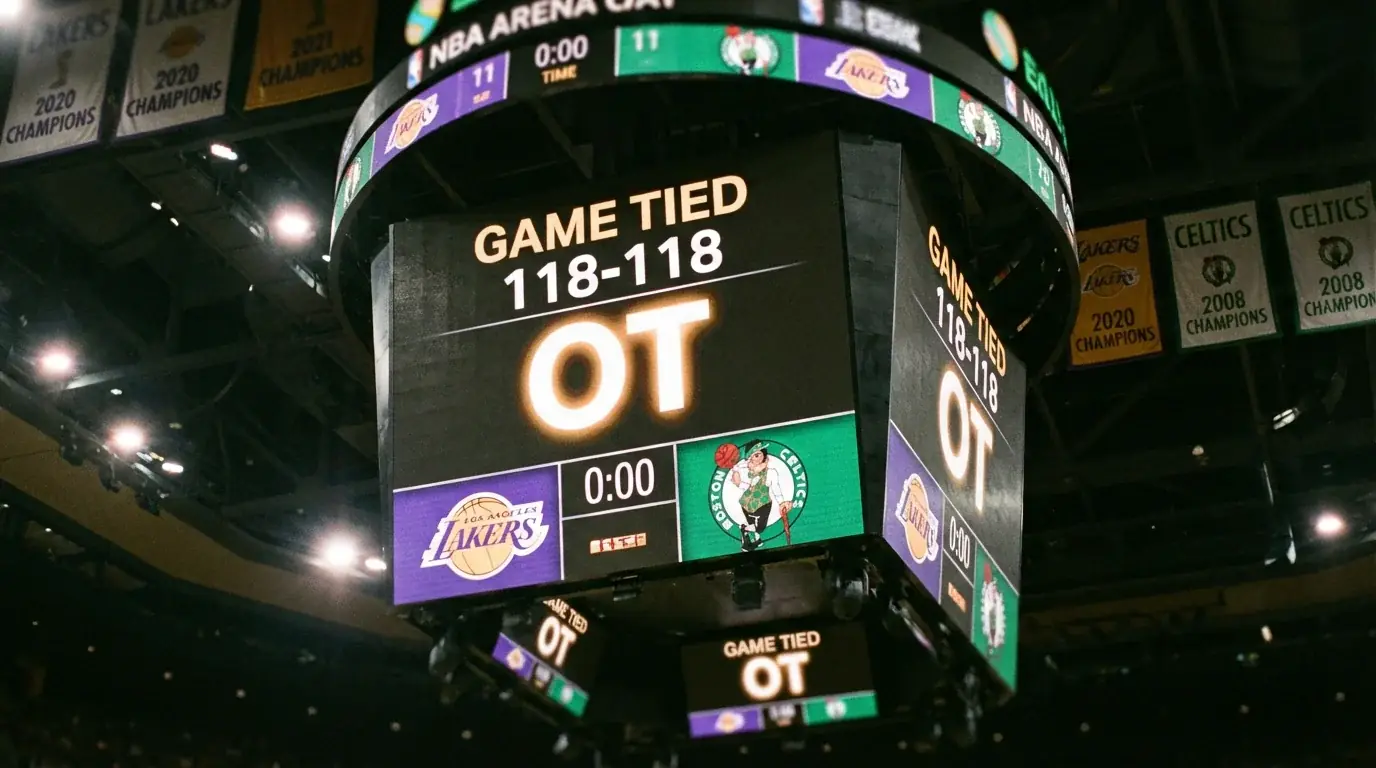
The strongest scenario is a heavily public favourite on a nationally televised game. When 75% or more of bets land on one side — particularly a glamour team like the Lakers, Celtics, or Warriors playing in a prime-time slot — the bookmaker shades the line to manage liability. That shade creates an artificial edge on the underdog that wouldn’t exist if the betting were more evenly distributed. I’ve found this effect to be most pronounced on Friday and Saturday nights, when casual bettors are most active.
The second scenario involves teams on winning or losing streaks. The public over-weights recent results. A team that’s won seven straight will attract disproportionate money regardless of the matchup, the schedule spot, or the underlying metrics. If that team is now playing on the second night of a back-to-back against a rested opponent — but the public sees “seven-game win streak” and bets accordingly — the contrarian fade has both statistical and situational support.
Gender differences in UK betting participation provide useful context here: 15% of men but only 4% of women bet on sports. The public betting pool skews heavily male, and research on male betting behaviour shows stronger anchoring to recent results and team reputation. That behavioural bias creates the market inefficiency that contrarian betting exploits.
A third scenario: the aftermath of a blowout loss. When a good team gets destroyed by 25 points, the public overreacts. Bets flood toward the opposing side in that team’s next game, often pushing the line past fair value. Fading that overreaction — backing the team that just got blown out, provided the fundamentals haven’t changed — is one of the most reliable contrarian plays in the NBA calendar.
When Contrarian NBA Betting Backfires
The biggest mistake contrarian bettors make is assuming that going against the public is always right. It isn’t. The public is wrong often enough to create an edge, but it’s not wrong every time — and the games where the public happens to be correct are the ones that destroy contrarian bettors who’ve stopped doing their own analysis.
The most dangerous scenario is fading the public on a game where the public is right for the right reasons. If 80% of bets are on the Celtics -7 because the Celtics are the best team in the league, are at home, are fully healthy, and are playing a bottom-five team on the second night of a road back-to-back — the public isn’t being irrational. They’re betting correctly, and the bookmaker’s line is close to fair despite the one-sided action. Fading that game because “the public is on it” is contrarianism without substance.
I’ve also found that contrarian betting loses its edge in the playoffs. During the regular season, casual bettors drive a significant portion of the action, creating the distortions that contrarian strategies exploit. During the playoffs, the casual money recedes and the remaining action comes from more informed bettors. The lines get sharper, the public-versus-sharp distinction blurs, and the contrarian edge narrows to the point where it’s not reliably profitable.
The third failure mode is small sample size. If only 55% of bets are on one side, you’re not looking at a meaningful public lean — you’re looking at noise. I set my threshold at 70% before considering a fade, and even then I need a supporting reason beyond the public percentage itself. The percentage is a filter, not a decision.
How to Access and Apply Public Percentages
Public betting percentages are available through several free tools that aggregate data from US-facing sportsbooks. These sites report the percentage of bets and the percentage of money on each side of an NBA market — and the distinction between those two numbers matters.
The bet percentage tells you what the crowd thinks. The money percentage tells you what the high-stakes bettors think. When 75% of bets are on Team A but only 55% of money is on Team A, small bettors are lopsidedly on one side while larger bettors are more evenly split. That discrepancy is informative — it suggests the public lean is driven by volume rather than conviction, which makes a contrarian fade more attractive.
From the UK, I check public percentages between 8:00 PM and 10:00 PM GMT — after the initial wave of US betting has established a clear directional lean. I compare the public percentage to the line movement: if 75% of bets are on Team A and the line has moved toward Team A, the market is confirming the public. If the line has moved toward Team B despite the public lean, that’s reverse line movement and a stronger contrarian signal.
The process takes about five minutes per game and integrates naturally into a broader pre-game routine. I don’t fade the public on every game where the percentage exceeds my threshold — I use it as one input alongside schedule analysis, matchup data, and the overall data-driven framework I’ve built over the years. The public percentage tells you where the crowd is standing. Your job is to decide whether the crowd is standing in the right place.
Where can UK punters find NBA public betting percentages?
Several US-based sports analytics websites publish NBA public betting percentages for free, including both the percentage of bets and the percentage of money on each side. These sites aggregate data from legal US sportsbooks and update throughout the day. The data is accessible from the UK without any restrictions and typically stabilises by early evening GMT.
Is fading the public a long-term profitable NBA strategy?
Fading the public is profitable as a selective strategy applied in specific scenarios — heavily lopsided public games, narrative-driven overreactions, and nationally televised matchups — but not as a blanket rule. Blindly betting against the majority on every game produces results close to random. The edge comes from combining public percentage data with situational analysis, line-movement signals, and your own independent assessment of the matchup.
Published by the nba Games Betting team.