NBA All-Star and Special Event Betting: Markets Worth Watching
 Available in US
Why All-Star Weekend Is a Different Betting Animal
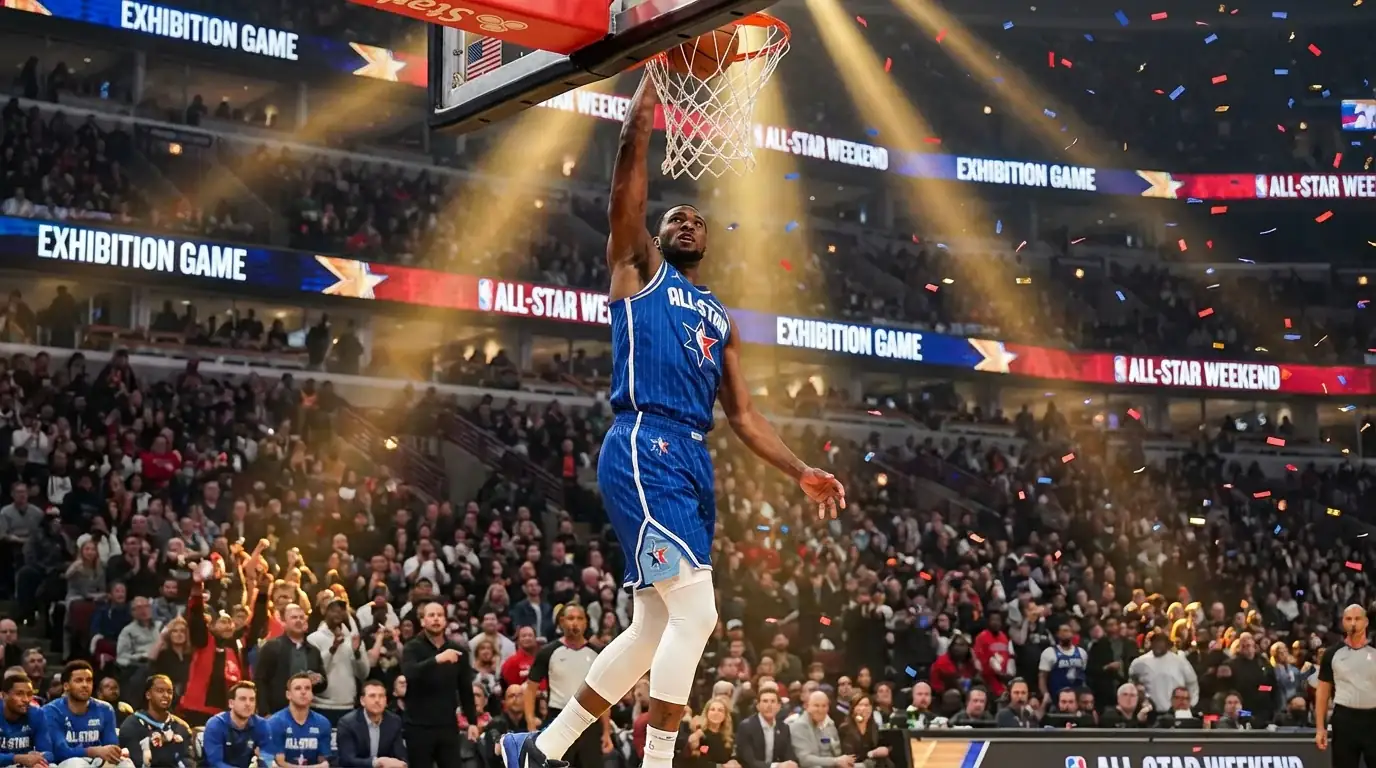
I lost money on the NBA All-Star Game three years in a row before I finally understood the problem: I was applying regular-season logic to an exhibition. The All-Star Game doesn’t reward analytical discipline the way a Tuesday night matchup between the Pacers and Hornets does. It rewards understanding that the players on the court have almost zero competitive incentive until the final five minutes — and sometimes not even then.
NBA viewership surged 30% in the opening month of the 2025-26 season, and the All-Star break sits at the midpoint of that attention cycle — a weekend where casual fans tune in and betting volume spikes on markets that exist nowhere else on the calendar. The league has experimented with format changes to make the game more competitive, and each format shift creates new pricing dynamics that bookmakers struggle to model accurately because the sample size is tiny.
The format changes matter for bettors. When the NBA introduced the Elam Ending — a target score rather than a timed conclusion — it altered the total dynamics entirely. Instead of teams coasting through four quarters, the game now has a defined endpoint that depends on scoring pace. That single rule change made the total harder to price and, in my experience, created more value on the under in the first three quarters when players are still treating the game as a showcase rather than a competition.
All-Star Game Totals and Defensive Dynamics
All-Star Game totals look absurd compared to regular-season numbers. The bookmaker might set the total at 340 or 360 — numbers that would be impossible in a competitive game. The pricing is based on historical All-Star scoring, which has varied wildly depending on the format, the era, and how much the players care.
Defence in the All-Star Game is, to put it generously, optional. Nobody is fighting over screens, contesting three-pointers, or diving for loose balls in February when the playoffs start in April. The result is shooting percentages that look more like a training session than a game — which inflates the total far beyond regular-season norms.
Where I’ve found value is in the early-game under. The first half of the All-Star Game tends to be looser and lower-scoring than the second half, because players are still warming up and the competitive juices haven’t kicked in. If the bookmaker sets a first-half total based on proportional scaling from the full-game number, the first half often comes in under that projection. It’s a small, specific edge — not something to build a bankroll around — but it’s appeared consistently enough across recent All-Star Games that I flag it every year.
The post-format-change landscape makes historical modelling unreliable. Each time the league tweaks the All-Star format, the previous scoring data becomes less relevant. I treat All-Star totals with extreme caution and limit my exposure to small stakes, treating the entire weekend as entertainment betting rather than a serious analytical exercise.
Rising Stars Challenge and Ancillary Markets
The number of free-to-air NBA games available in the UK is set to rise to approximately 75 per season under the new media deal — up from around 15 previously. That expanded coverage includes special events like the Rising Stars Challenge, which pits first-and second-year players against each other in a format that has shifted between traditional games and mini-tournaments.
Rising Stars is harder to price than the All-Star Game because the player pool changes every year and the sample of previous performances in this specific format is minuscule. Bookmakers set the lines conservatively, which means the overround tends to be wider than on regular-season games. I’ve found that the most reliable angle is betting on the team with the highest concentration of elite rookies — a player like Victor Wembanyama or another generational talent playing with maximum effort because the showcase stage matters to young careers more than it does to established stars.
The Skills Challenge, Celebrity Game, and other ancillary events generate betting markets at some UK bookmakers, though liquidity is thin and the pricing is speculative. I treat these as novelty markets — fun to follow, risky to bet seriously on. The data simply doesn’t exist to build a reliable model, and the outcomes are influenced by effort level, exhibition atmosphere, and random variance to a degree that makes analytical betting nearly impossible.
Slam Dunk and Three-Point Contest Betting
The Slam Dunk Contest and Three-Point Contest are the All-Star Weekend events where I’ve found the most consistent value — precisely because they’re individual competitions with quantifiable skill inputs rather than team exhibitions with nebulous competitive dynamics.
The Three-Point Contest is the more analytically tractable of the two. Each participant’s regular-season three-point percentage, volume, and shooting consistency under pressure are measurable inputs. A player who shoots 42% from three on eight attempts per game is a stronger Three-Point Contest candidate than one who shoots 39% on four attempts, all else being equal. I compare each participant’s shooting metrics to the bookmaker’s odds and look for discrepancies — usually finding one or two each year where the bookmaker has undervalued a high-volume, high-accuracy shooter in favour of a bigger name.
The Slam Dunk Contest is the opposite: subjective judging, unpredictable creativity, and the possibility of a dunk that scores a 50 changing the entire competition in one round. I don’t bet the Dunk Contest to win because the outcome depends on factors — judge bias, crowd reaction, whether a dunk is technically clean or not — that no data model can capture. If I bet it at all, it’s on round totals or specific matchup propositions where the market’s uncertainty creates wider margins and occasional mispricing.
All-Star Weekend is a break from the analytical grind of the regular season. Enjoy it as entertainment, bet it lightly if you bet it at all, and remember that the real value returns when the second half of the season tips off and the data-driven approach that works in competitive games can be applied again with full confidence.
Do UK bookmakers offer NBA All-Star Game betting markets?
Yes. Most major UK bookmakers offer markets on the NBA All-Star Game including the game total, spread, and player prop bets. Markets for ancillary events like the Three-Point Contest and Slam Dunk Contest are also available at some operators, though liquidity tends to be lower and the overround wider than on regular-season games.
Are NBA All-Star Game totals reliable for betting?
All-Star Game totals are among the least reliable NBA betting markets because the competitive dynamic is fundamentally different from regular-season games. Defence is minimal, effort levels fluctuate, and format changes make historical data less useful. I approach All-Star totals with small stakes and treat them as entertainment betting rather than a serious analytical exercise.
Published by the nba Games Betting team.